

A seasonal maintenance calendar for Florida homes
Northern maintenance calendars do not fit a climate with two seasons, salt air, and ten months of air conditioning. Here is the version that does.
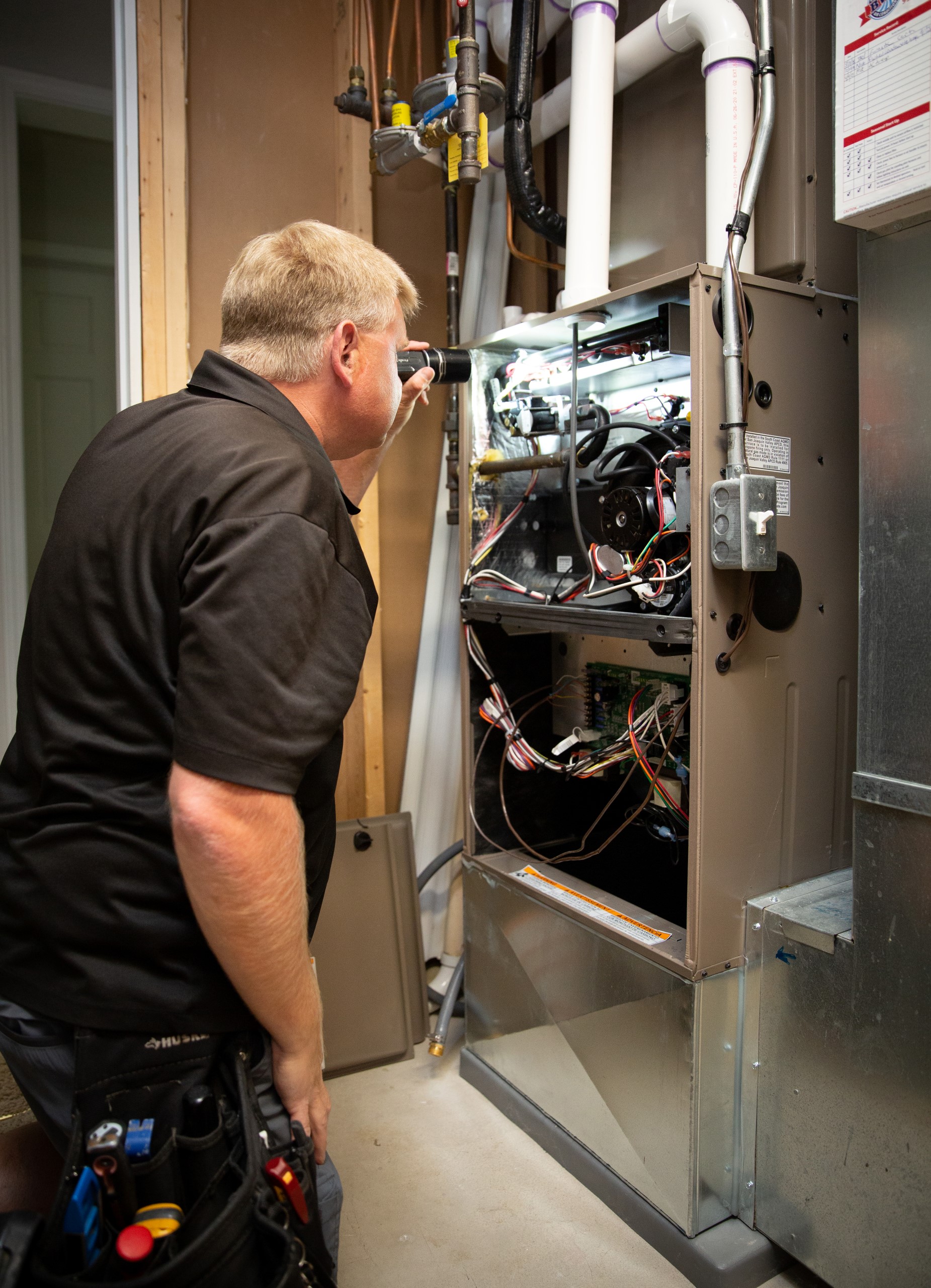
Inside an air handler cabinet. The blower, the control board, and the condensate connections are where most of the preventable failures start.
Most maintenance checklists you find online were written for a house that freezes. Ours does not. What our houses do instead is run air conditioning most of the year, sit in humidity that stays above 70% for months, take salt air off the ocean, and absorb one rainy season that arrives all at once. The calendar below is organized around that.
Every month, year round
Change or check the air filter. In this climate a 1 in filter needs looking at monthly, not quarterly. A restricted filter is the cheapest way to shorten the life of a system you cannot afford to replace.
Pour a cup of water down the AC condensate drain and confirm it runs out. A clogged condensate line is one of the most common causes of ceiling and drywall damage I see, and it is entirely preventable.
Test smoke and carbon monoxide alarms. Press the button. It takes a minute.
Look under the sinks and behind the toilets. Small leaks are cheap. Small leaks that ran for a year are not.
Spring, March to May
Get ready for the heat and the season
This is the most important window of the year, because everything you do now is something you will not be doing in August or during a storm watch.
Have the AC serviced before June. Coil cleaning, refrigerant check, drain pan and float switch. Do not wait for the first failure on a 96°F afternoon when every technician in the county is booked.
Rinse the condenser coil with a garden hose from the inside out, power off at the disconnect. Coastal homes should do this twice a year. Salt eats aluminum fins.
Run the full roof and drainage walk-around. Gutters, downspout discharge, grade, vent boots, soffit, overhanging limbs.
Inventory your storm supplies and shutters in April, not in a warning cone. Confirm the panels are all there and the hardware turns.
Re-caulk exterior window and door joints where the old caulk has cracked or pulled away. Dry, mild weather is when this actually cures.
Summer, June to August
Humidity management and watching for water
Summer is not a repair season. It is a monitoring season. The enemy is moisture, indoors and out.
Keep indoor humidity between 45% and 55%. A $15 hygrometer will tell you. Above 60% you are creating conditions for mold growth regardless of how clean the house is.
Run bath fans for 20 minutes after every shower and confirm they vent outside, not into the attic. Venting into the attic is a defect I write up regularly, and it soaks the sheathing from below.
Check the condensate pan and float switch monthly through the cooling season. This is when they fail.
After each heavy rain, walk the perimeter. Note where water stands and how long it takes to drain. Two summers of notes will tell you exactly where you need to re-grade.
Keep vegetation off the walls. Trim shrubs back about 12 in from siding. Plants against a wall hold moisture and give termites a covered path.
Fall, September to November
Peak storm risk, then assess
September is the peak. Keep the gutters clear and the storm supplies staged. Do not start a project that leaves the roof or an opening exposed.
After each named storm, document and inspect before you clean up. Photograph first, then compare against your spring photos.
Once the season closes on November 30, book repairs. This is the right window for roof work, tree work, and re-grading, and contractors are more available than they were in June.
Flush the water heater and lift the TPR valve lever to confirm it operates. If the tank is past 10 years, start planning rather than waiting.
Winter, December to February
The dry season, and the only time it is pleasant to work outside
Do the exterior work now. Painting, sealing, deck and fence repair, driveway and patio work. Low humidity means coatings actually cure.
Test the heat before the first cold snap. A heat pump's auxiliary strips sit unused for ten months. Run them for a few minutes in November so you find the problem on a 55°F evening rather than a 28°F one.
Insulate exposed hose bibs and any exterior plumbing before a freeze warning. We get a handful of nights below freezing, and that is enough to split a line.
Schedule the termite inspection. Subterranean termite pressure here is constant, and an annual look is cheap insurance against a structural repair.
Review your insurance policy and check what your roof is actually covered for. Read the wind and water sections rather than assuming.
How to actually keep up with this
Nobody follows a list like this from memory. Put four recurring reminders on your calendar, one per season, and a monthly one for the filter and condensate drain. Take photos each spring and keep them in one folder. In three years that folder becomes the most useful document you own about your house, and it settles arguments with insurers and contractors alike.
None of this requires you to become a tradesperson. It requires you to look at your house on a schedule instead of only when something goes wrong.

Brian Rank, INSpectra Plus LLC
InterNACHI Certified Professional Inspector serving St. Augustine and St. Johns County. I inspect homes and help owners keep them healthy afterward.
FL License HI19007 · InterNACHI ID NACHI25022816 · 904.669.6029
Want a plan built for your house?
A maintenance consultation puts this calendar against your actual roof, systems, and drainage, in priority order.