

Hurricane season roof and drainage checklist
Wind gets the headlines. Water does most of the damage. Here is a walk-around you can do in an afternoon, and the four items worth paying someone to fix before the next named storm.
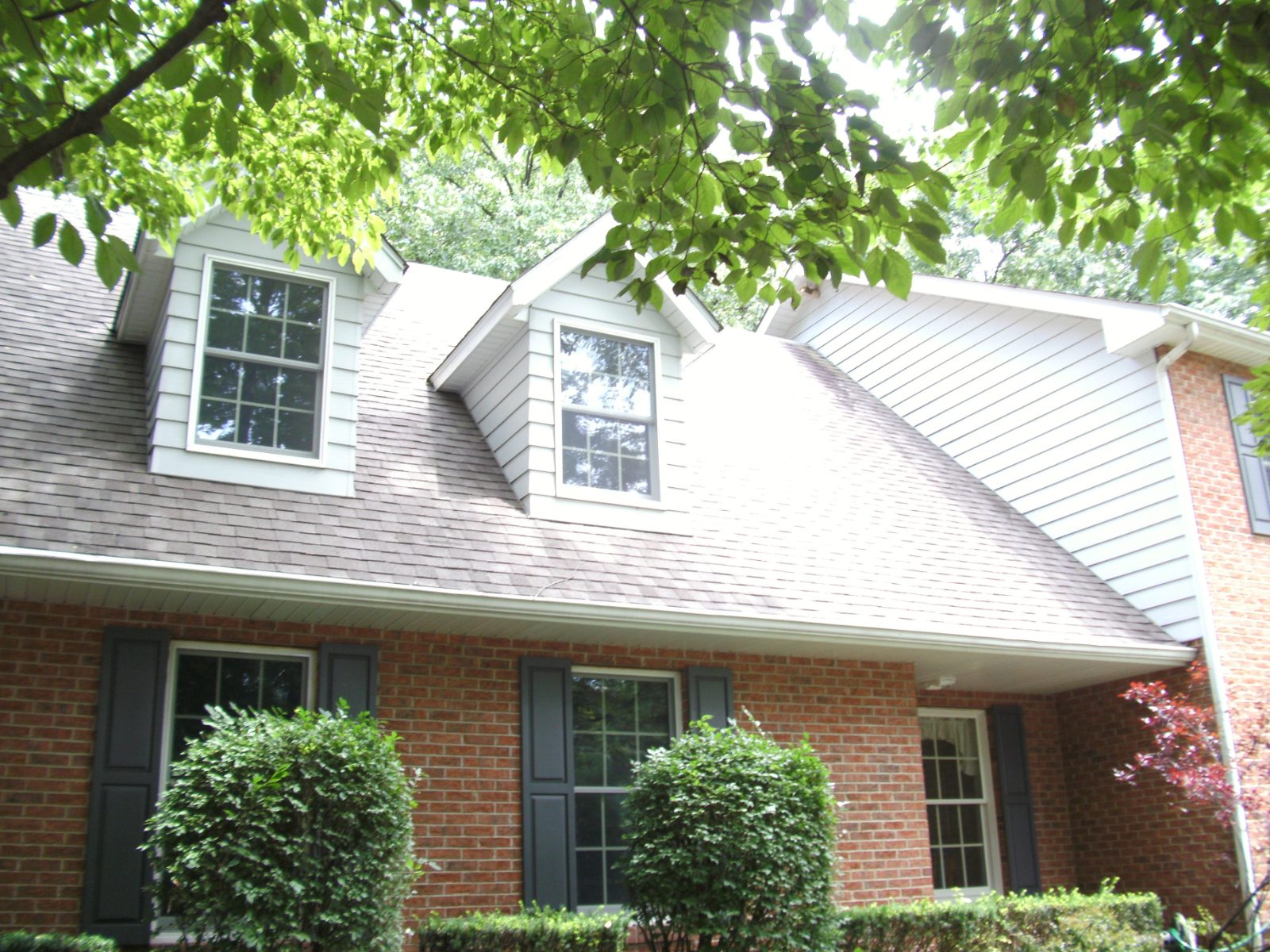
A roof replacement in progress. Most storm damage I document starts at an edge, a penetration, or a piece of flashing, not in the middle of the field.
Florida's hurricane season runs from June 1 through November 30, and September is the peak. If you are reading this in the middle of it, none of the following is too late. Most of it takes an afternoon and a ladder you already own.
Start from the ground
You do not need to be on the roof to learn most of what matters. Walk the full perimeter of the house, slowly, and look up. Bring your phone and photograph anything that looks wrong so you have a before picture.
Shingles at the edges and ridge. Lifted, curled, cracked, or missing tabs. Edges and ridges take the highest uplift pressure in a storm, so damage there matters more than the same damage mid-slope.
Granules in the gutters and at downspout outlets. A shingle roof sheds some granules its whole life. Piles of them means the mat underneath is losing its protection.
Soffit and fascia. Look for panels that have dropped, separated, or sagged. Wind-driven rain that gets behind a loose soffit goes straight into the attic, and a soffit that fails lets the wind pressurize the attic from below.
Penetrations. Plumbing vent boots, roof vents, satellite mounts, and skylights. Rubber vent boots are the single most common source of a slow roof leak I find, and they typically crack somewhere between 10 and 15 years.
Overhanging limbs. Anything within about 10 ft of the roof surface. Limbs abrade shingles in normal wind and become projectiles in a storm.
Then check the attic
Go up on a bright day and turn your flashlight off for a minute. Daylight visible around a penetration or along an eave is a hole. Then look for dark staining on the underside of the sheathing, rusty nail shanks, and any insulation that is matted or discolored. Those are the fingerprints of a leak that has been happening for a while. A stain that is dry and a stain that is damp are different problems, so touch it.
Drainage is the part people skip
A tropical system can drop 8 to 12 in of rain in a day. Whether that water ends up in your yard or against your foundation is decided by a handful of cheap details.
Clear the gutters completely. Not just the troughs. Run water down each downspout and confirm it comes out the bottom. A blocked downspout backs the trough up and sends water over the fascia.
Discharge water away from the house. Aim for at least 4 ft from the foundation, farther if the ground is flat. Extensions cost a few dollars and prevent a category of problem that costs thousands.
Check the grade. The ground should fall away from the house about 6 in over the first 10 ft. Mulch beds built up above the slab, settled soil next to the wall, and new patios that slope back toward the house are the three I write up most.
Walk the yard during a hard rain. Ten minutes in the rain tells you more about where water goes than any amount of looking at dry ground. Note every place it pools.
Openings and attachments
Check that window and door weatherstripping still seals and that the caulk joints around frames are intact rather than cracked and pulling away. Confirm your shutters or panels are all present, that the hardware is not seized, and that you know which panel goes where before you need them in the dark. If you have an attached screen enclosure or carport, look at how it is fastened, because these come loose first and then take siding and soffit with them. And test the garage door: it is the largest opening in most houses, and if it fails, the pressure change inside the home is what lifts the roof.
Worth paying for
Four things I would hire out rather than defer:
Cracked or deteriorated vent boots and step flashing. Cheap to replace, expensive to ignore.
Loose or missing soffit panels and any unsealed gap at the roof-to-wall connection.
Tree work on limbs over the roof or over the service drop. This is not DIY.
A wind mitigation inspection if you have not had one. Documented roof deck attachment, a secondary water barrier, and opening protection can reduce your premium, sometimes substantially.
After a storm
Photograph everything before you clean up or tarp anything, from a distance and up close, with the date on the file. Walk the same perimeter you walked before and compare. Check the attic again for new staining, and check ceilings and the tops of interior walls for the first sign of water tracking in.
If you are not sure whether what you are looking at is damage or just age, that is a reasonable thing to be unsure about, and it is worth a phone call before you file anything.

Brian Rank, INSpectra Plus LLC
InterNACHI Certified Professional Inspector serving St. Augustine and St. Johns County. I inspect homes and help owners keep them healthy afterward.
FL License HI19007 · InterNACHI ID NACHI25022816 · 904.669.6029
Not sure what you are looking at?
I inspect homes in St. Augustine and St. Johns County and walk owners through what needs attention now, what to watch, and what can wait.